
Our Research Agenda

Our shared challenge

The shared mobility sector has made remarkable strides in recent years, yet communities continue to lack access to affordable and safe transportation, limiting their ability to secure jobs, access education, and lead healthier lives.

Traditional transportation research often overlooks the complexity of these interconnected challenges. Equity, environmental impact, and community inclusion are frequently sidelined, leaving critical gaps in our understanding of how to create sustainable solutions that benefit everyone.


To meet these challenges, SUMC redefines how research can drive systemic change.

Our outcomes-focused approach
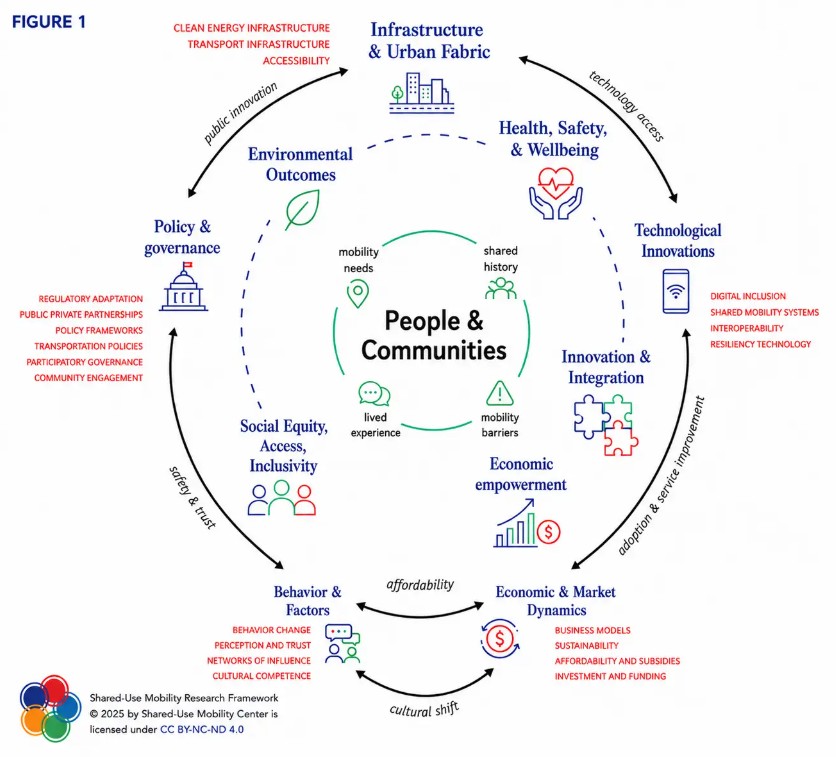
Our research centers people first — not just producing knowledge, but equipping mobility leaders with the tools to implement real-world change. We address both the symptoms and root causes of inequity and inefficiency in transportation systems.

Our mixed-methods approach includes stakeholder interviews, focus groups, surveys, and data analysis — paired with applied tools like persona development, journey mapping, and data visualization to bring findings to life.

Read more about how measuring the why and outcomes-focused research in shared mobility can help us genuinely deliver the equity and climate benefits it says it can.

Areas we focus on

To maximize the impact of our research, SUMC prioritizes six areas:

Resilience and Adaptability

Developing strategies to help shared mobility systems thrive during environmental, economic, and social transitions.

Behavior and Cultural Change

Addressing barriers to shared mobility adoption and fostering cultural shifts toward sustainable transportation.

Health and Safety

Designing systems that prioritize user well-being and community safety.

Social Equity and Inclusivity

Ensuring that marginalized communities have equitable access to transportation options.

Environmental Sustainability

Reducing the carbon footprint of shared mobility systems through both well-established and innovative practices.

Economic Impact and Empowerment

Defining business models that promote financial sustainability while empowering local communities.

A few recent publications

We translate research into actionable insights through case studies, program evaluations, and peer-reviewed publications to support public agencies, nonprofits, and local leaders in making informed decisions. For a full list of our publications, visit our Publications page. To read any of our case studies or learning modules, visit our Mobility Learning Center.

Clean Mobility Options
Voucher Pilot Program

This report evaluates 24 Community Transportation Needs Assessments under California’s Clean Mobility Options program, with SUMC leading program design, technical assistance, and evaluation.
Scope Creep in California’s
Equity Mobility Policy

This study examines shared mobility pilots in underserved California communities, finding that expanded access often came at the cost of increased emissions and a more coordinated approach to equitable mobility policy.
Carsharing and Mobility Hubs
in Affordable Housing Report

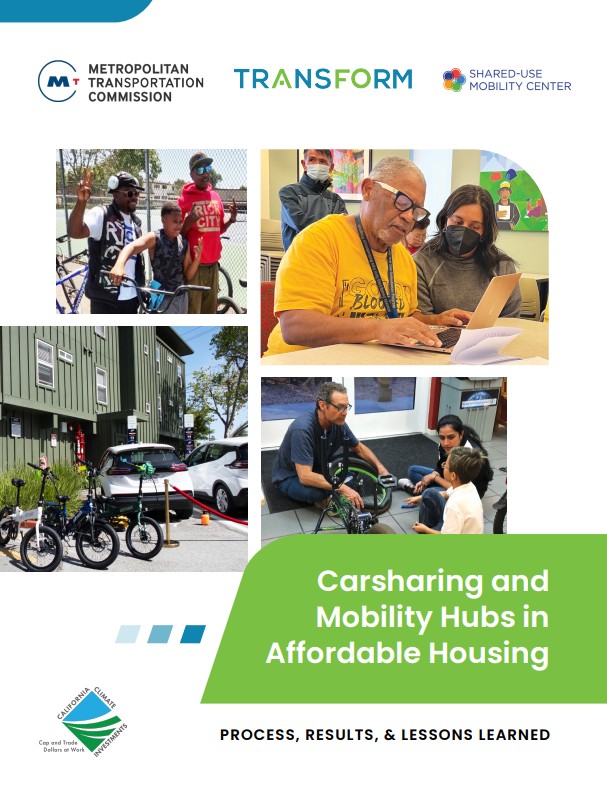
SUMC and TRANSFORM brought mobility hubs to affordable housing sites across the Bay Area, and the resulting report offers practical guidance on implementing hubs with equity and community engagement at the center.

How to contact us

Want to collaborate or learn more about our research? Reach out to Dr. Lauren N. McCarthy, Senior Director of Research and Impact, Lauren@sharedusemobilitycenter.org, or Colin Murphy, Director of Research and Consulting, Colin@sharedusemobilitycenter.org.